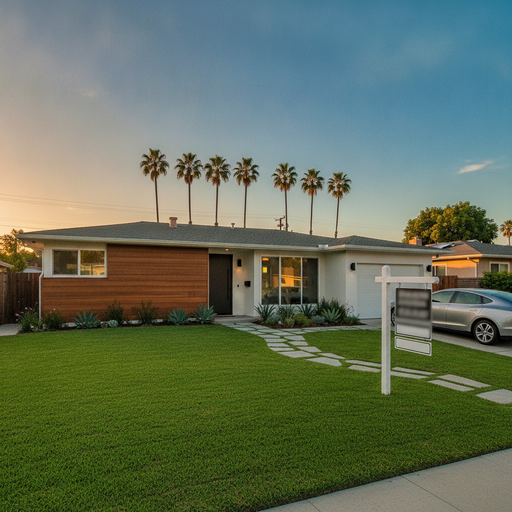

The California Dream: A Changing Landscape
Imagine driving down the Pacific Coast Highway, the salty breeze hitting your face as you pass iconic coastal mansions and vibrant suburbaeighborhoods. For decades, this has been the ultimate American dream: owning a piece of the Golden State. However, if you have glanced at a real estate listing lately, you know that the dream currently comes with a complex set of challenges. From the tech-heavy corridors of Silicon Valley to the sun-drenched streets of San Diego, the California housing market is a living, breathing entity that refuses to follow traditional rules.
SUBMIT YOUR DETAILS FOR
Today, the market feels like a high-stakes game of musical chairs. Buyers are waiting for interest rates to drop, sellers are clinging to their 3% mortgage rates from years ago, and builders are racing to keep up with a demand that never seems to cool down. To understand where we are going, we have to look closely at the unique forces driving one of the most expensive and competitive real estate markets in the world. Whether you are a first-time buyer, a seasoned investor, or a homeowner curious about your equity, these insights will help you navigate the twists and turns of the California landscape.
The Lock-In Effect: Why Inventory Remains Tight
One of the biggest stories in the California housing market right now isn’t about who is buying, but rather who isn’t selling. We call this the “Lock-In Effect.” During the pandemic, millions of Californians refinanced or purchased homes with mortgage rates at historic lows, often under 3%. Fast forward to today, and current rates have hovered significantly higher.
For a typical homeowner in Los Angeles or Sacramento, moving to a new house often means trading a manageable monthly payment for one that is nearly double, even if the new home is of similar value. As a result, many would-be sellers are staying put. This has created a massive shortage of “resale” inventory. When fewer people list their homes, the homes that do hit the market often see multiple offers, even with higher borrowing costs. It is a classic case of low supply keeping prices elevated despite the pressure of high interest rates.
The Rise of New Construction
With existing homeowners staying put, homebuilders have stepped into the spotlight. In areas like the Inland Empire, the Central Valley, and parts of Northern California, new construction communities are popping up to fill the void. Builders are offering creative incentives, such as mortgage rate buy-downs, to attract buyers who are priced out of the resale market. This shift has made new homes a more attractive—and sometimes more affordable—option for those who are determined to buy now.
Regional Variations: A Tale of Three Californias
It is a mistake to view California as a single housing market. In reality, it is a collection of micro-markets, each with its own heartbeat. To get a true sense of the insights, we must look at the different regions separately.
Southern California: The Resilient Giant
In Southern California, particularly in Orange County and San Diego, demand remains incredibly high. These areas are bolstered by a diverse economy and a lifestyle that continues to draw people from across the globe. Even as prices reached record highs, the “desirability factor” keeps the floor from dropping. Luxury markets in Malibu and Beverly Hills operate in their own atmosphere, largely unaffected by mortgage rates, while the suburbs of Riverside and San Bernardino are seeing a surge in families looking for more space for their dollar.
The Bay Area: Tech Shifts and Urban Recovery
Northern California, specifically the San Francisco Bay Area, saw a significant shift during the remote-work boom. For a while, people fled the dense city centers for the suburbs of Walnut Creek or the mountains of Santa Cruz. However, we are now seeing a “return to the office” trend in the tech sector, which is revitalizing demand in the urban core. While San Francisco’s market faced a period of correction, the surrounding Silicon Valley remains one of the most expensive and competitive pockets of real estate on the planet.
The Central Valley: The New Frontier
If you look at cities like Fresno, Bakersfield, or Stockton, you will see the “spillover effect.” As the coast becomes unaffordable, the Central Valley has become the go-to destination for middle-class families. This region is seeing some of the fastest price appreciation in the state because it offers something the coast caot: a chance at homeownership for under $600,000. However, even here, the lack of inventory is starting to push prices higher, closing the affordability gap faster than many expected.
The Impact of Interest Rates and Economic Policy
The Federal Reserve’s decisions have a disproportionate impact on California due to the high price points of the homes. A 1% shift in interest rates can mean a difference of hundreds, if not thousands, of dollars in a monthly mortgage payment for a median-priced California home. Throughout late 2023 and early 2024, the market felt like it was holding its breath, waiting for a signal that rates would descend.
However, the California market has shown surprising resilience. Buyers have started to accept “the new normal.” Instead of waiting for 3% rates that may never return, many are choosing to buy now and “marry the house, date the rate”—the idea being that they can refinance later if rates drop. This psychological shift has kept the market moving even when the math seems daunting.
The Insurance Crisis: A New Challenge
Beyond interest rates, a new hurdle has emerged: homeowners insurance. Major insurers have pulled back or paused new policies in California due to wildfire risks and rising construction costs. For many buyers, especially in hilly or forested areas, finding affordable insurance has become a deal-breaker. This is an evolving insight that every buyer must consider; getting an insurance quote is now just as important as getting a home inspection.
Strategies for Buyers and Sellers in Today’s Market
If you are standing on the sidelines trying to decide your next move, consider these strategic insights tailored for the current California climate.
For Buyers: Be Prepared and Be Flexible
- Get Fully Pre-Approved: In a competitive market, a simple pre-qualification isn’t enough. You need a robust pre-approval to show sellers you are a serious and capable buyer.
- Look Beyond the “Perfect” Home: With low inventory, you might not find a home that checks every single box. Look for “good bones” and potential. You can change the kitchen, but you can’t change the location.
- Explore Down Payment Assistance: California offers various programs for first-time buyers. Don’t assume you need 20% down; many can enter the market with much less.
For Sellers: Pricing is Everything
- Price it Right from Day One: Even in a hot market, buyers are savvy. If you overprice your home, it will sit, and a “stale” listing is often forced to take a deeper cut later.
- Highlight Energy Efficiency and Safety: With rising utility costs and insurance concerns, features like solar panels or fire-resistant landscaping are major selling points.
- Maximize Curb Appeal: First impressions are digital. Ensure your home looks stuing in photos to drive that initial foot traffic.
The Long-Term Outlook: Why California Still Matters
Despite the headlines about people leaving the state, California remains a global powerhouse. Its economy is the fifth largest in the world, its climate is unparalleled, and its culture of iovation continues to attract the brightest minds. The fundamental problem—a chronic undersupply of housing—is not going away overnight. This supply-demand imbalance suggests that while we may see periods of cooling, the long-term trajectory for California real estate values remains upward.
The market is shifting toward a more balanced state where buyers have a bit more leverage than they did in the frantic days of 2021, but sellers still hold the advantage of equity. It is a market that requires patience, a bit of bravery, and a very good real estate agent.
Conclusion: Finding Your Place in the Sun
Navigating the California housing market in 2024 feels a bit like surfing. You have to watch the swells, time your move perfectly, and be prepared for the occasional wipeout. However, for those who manage to catch the wave, the rewards are significant. Homeownership in California isn’t just about shelter; it is about building long-term wealth in one of the most vibrant places on earth.
As we look toward the end of the year, keep an eye on interest rate trends and local inventory shifts. The “perfect” time to buy or sell is rarely a single date on the calendar—it is when your personal financial goals align with the opportunities the market provides. California real estate is complex, frustrating, and exhilarating all at once, but it remains the cornerstone of the American dream for millions.