
The California Dream Reimagined
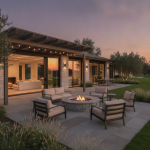
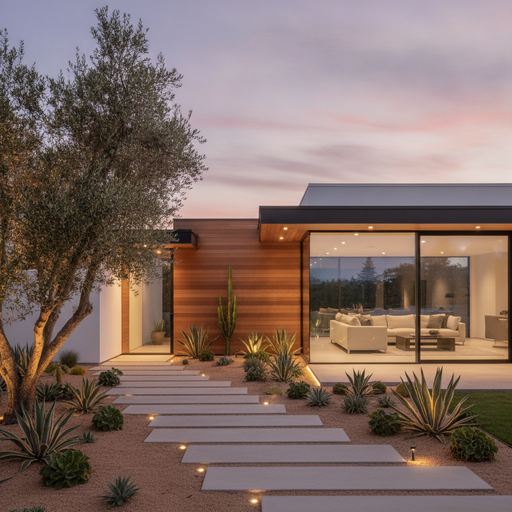
Imagine driving through the winding hills of Los Angeles or the coastal neighborhoods of San Diego as the sun begins to set. The golden hour light hits a renovated mid-century ranch, turning its clean lines and warm wood accents into a masterpiece of contemporary design. This isn’t just about a fresh coat of paint; it is about a complete transformation that bridges the gap between the historic charm of the Golden State and the sleek, functional demands of modern living.
SUBMIT YOUR DETAILS FOR
For many California homeowners, the exterior of their house is more than just a facade. It is a statement of lifestyle. In a state where the weather invites us outside for three-quarters of the year, the boundary between the living room and the front porch has blurred. Modern exterior renovation in California has evolved into an art form that prioritizes sustainability, texture, and the seamless flow of indoor-outdoor living. If you have been looking at your dated stucco or faded siding and wondering how to bring it into the 21st century, you are in the right place.
Embracing the Indoor-Outdoor Flow
In California, we don’t just look at our gardens; we live in them. One of the most significant trends in modern renovations is the integration of massive glass elements. Gone are the days of small, partitioned windows that trap heat and block the view. Modern renovations often start with the installation of floor-to-ceiling glass sliders or bi-fold doors that disappear into the walls.
This architectural choice does more than just let in light. It creates a visual expansion of space. When your exterior flooring—perhaps a smooth poured concrete or a light-toned composite deck—matches the level and tone of your interior flooring, the transition becomes invisible. This “infinity” effect is a staple of modern California design, making even modest homes feel like expansive estates.
The Rise of the Modern Entryway
The front door is the handshake of your home. In a modern renovation, we are seeing a shift away from traditional paneled doors toward oversized pivot doors. Imagine a five-foot-wide door made of reclaimed white oak or matte black steel that glides open with the touch of a finger. This adds an immediate sense of luxury and sets the tone for the rest of the renovation.
Mixed Materials: The Texture of the West Coast
If you look at the most stuing modern renovations in Silicon Valley or Orange County, you’ll notice a recurring theme: contrast. The “monochromatic stucco box” look is being replaced by a sophisticated layering of materials. To achieve this, homeowners are mixing three or four distinct textures:
- Smooth Coat Stucco: Moving away from the heavy “popcorn” or “lace” textures of the 80s, modern homes utilize a level-five smooth finish, often in crisp white, muted sand, or deep charcoal.
- Natural Wood Accents: Cedar, Ipe, or thermally modified wood (like Thermory) are used to “warm up” the coldness of modern architecture. These are often applied as vertical slats or horizontal “shiplap” on bump-outs or near the entryway.
- Metal Paneling: Matte black or bronze aluminum panels provide a sharp, industrial edge that defines the roofline or frames the windows.
- Stone Veneer: Large-format limestone or slate adds a grounded, organic element that coects the house to the California earth.
The Sustainable Revolution: Drought-Tolerant Landscaping
A modern exterior renovation in California is incomplete without addressing the landscape. With water conservation being a top priority, the lush green lawns of the past are being swapped for “xeriscaping” that looks like a high-end botanical garden. This isn’t just about rocks and cactus; it’s about curated textures.
Designers are using decomposed granite (DG) in warm tan tones, interspersed with architectural plants like Agave Attenuata, Blue Glow Agave, and ornamental grasses like Mexican Feather Grass. These plants require minimal water but provide maximum visual impact. When paired with concrete pavers and a hidden drip irrigation system, the result is a low-maintenance, high-style environment that saves money and the planet.
Lighting as an Architectural Feature
Once the sun goes down, a modern renovation should take on a new life. Lighting is no longer just about a single porch light next to the door. It is about “painting” the house with light. In modern California homes, we see three layers of exterior lighting:
Path and Step Lighting
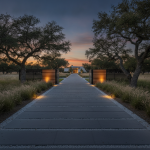
LED strip lights hidden under the “nosing” of concrete steps or tucked into the underside of planter walls create a floating effect. This provides safety while adding a futuristic, high-end resort vibe to the walkway.
Uplighting and Silhouetting
Strategic spotlights placed at the base of architectural trees—like an ancient Olive tree or a multi-trunk Palo Verde—create dramatic shadows against the smooth stucco walls. This adds depth and prevents the house from looking flat at night.
Sconces and Pendants
Minimalist, cylinder-shaped sconces that throw light both up and down are the go-to choice for modern facades. They emphasize the verticality of the design and highlight the textures of wood or stone siding.
Color Palettes: Beyond “Safe” Neutrals
While white remains a classic choice for the California sun, there is a bold movement toward darker, “moody” exteriors. Ieighborhoods like Silver Lake or Venice Beach, deep navy, forest green, and even “Iron Ore” (a soft black) are becoming popular. These dark colors allow the vibrant green of the succulents and the warmth of the wood accents to pop in a way that white simply can’t.
However, the key to pulling off a dark exterior in the California heat is using high-quality, heat-reflective paint technology. This prevents the home from absorbing too much thermal energy, keeping the interior cool while looking incredibly sharp on the outside.
Conclusion: Investing in the California Lifestyle
Renovating the exterior of a California home is a significant undertaking, but the rewards—both financial and personal—are immense. A modern renovation increases curb appeal exponentially, but more importantly, it changes how you interact with your environment. It turns a “house” into a sanctuary that breathes with the ocean breeze and glows with the evening sun.
Whether you are stripping back decades of outdated additions to find the “bones” of a mid-century gem or giving a 1990s tract home a much-needed identity overhaul, the principles remain the same: simplify the lines, diversify the textures, and always, always invite the outdoors in. Your modern California masterpiece is just a renovation away.