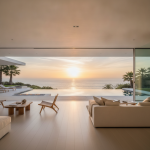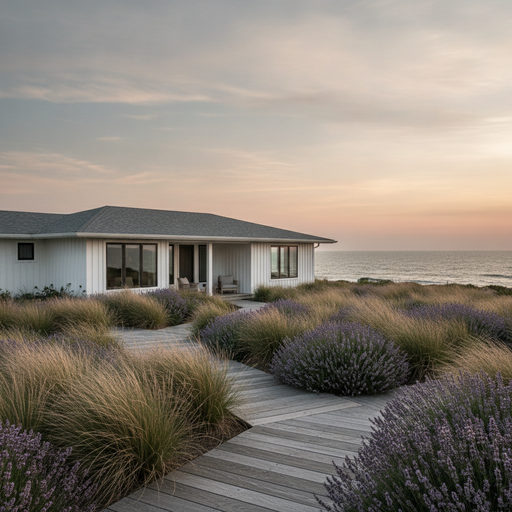

Imagine waking up to the rhythmic sound of crashing waves and the faint scent of salt spray lingering in the air. You step out onto your wide, sprawling porch, coffee in hand, and look out over a landscape that feels like a natural extension of the beach just a few blocks away. This is the dream of coastal living, particularly for those who own a classic ranch-style home. The ranch house, with its long, low profile and emphasis on indoor-outdoor flow, is the perfect canvas for a seaside masterpiece. However, creating a garden that survives the harsh coastal elements while enhancing that mid-century architectural charm requires a thoughtful approach.
SUBMIT YOUR DETAILS FOR
The Unique Harmony of Ranch Architecture and the Coast
Ranch-style homes emerged in the mid-20th century, drawing inspiration from the wide-open spaces of the American West. Their signature characteristics—single-story layouts, low-pitched rooflines, and large windows—were designed to coect the inhabitants with the outdoors. When you place this architectural style near the ocean, the coection becomes even more vital. The horizontal lines of a ranch house mimic the horizon of the sea, creating a natural visual synergy.
In coastal landscaping, the goal is not to fight the environment but to embrace it. You aren’t just planting a garden; you are curating an ecosystem that can withstand sandy soil, high winds, and the ever-present salt mist. For a ranch home, the landscaping should focus on maintaining those clean, horizontal lines while adding layers of texture that provide privacy and beauty without obstructing the view.
Start with the Bones: Hardscaping for the Sea
Before you pick up a shovel to plant your first shrub, you have to think about the “bones” of your yard. Hardscaping in a coastal environment needs to be both durable and aesthetically pleasing. Because ranch homes often feature a “U” or “L” shaped footprint, they naturally create courtyards and patio spaces that are perfect for outdoor living.
For pathways and patios, consider using natural materials that look like they’ve been washed up by the tide. Decomposed granite, crushed oyster shells, or flagstone in sandy hues work beautifully. These materials are permeable, meaning they allow rainwater to soak back into the ground rather than ruing off—a crucial feature for coastal areas prone to heavy storms. Avoid high-gloss or polished stones; they can feel too formal for the relaxed vibe of a coastal ranch. Instead, opt for weathered wood decking or tumbled pavers that feel soft under bare feet.
Building for the Breeze
Coastal winds can be refreshing, but they can also be relentless. Incorporating low-profile stone walls or decorative wooden slat fences can provide a necessary windbreak for more delicate plants and your outdoor seating areas. For a ranch home, keep these structures low. You want to define the space without cutting off the visual coection to the rest of the neighborhood or the water.
Selecting the Perfect Coastal Palette
The “softscaping”—your plants—is where the personality of your coastal ranch truly comes to life. The secret to success here is choosing native or salt-tolerant species. There is nothing more heartbreaking than watching a beautiful Japanese Maple wither away because it couldn’t handle the salt air.
- Ornamental Grasses: These are the MVPs of coastal landscaping. Species like Muhly Grass, with its ethereal pink plumes, or Sea Oats provide movement. When the ocean breeze blows, these grasses sway, adding a sense of life and rhythm to your yard. They also help anchor the soil and prevent erosion.
- Evergreen Shrubs: For year-round structure, look to plants like Wax Myrtle or Rosemary. Rosemary is particularly wonderful near a ranch entrance; it’s hardy, salt-tolerant, and provides a lovely fragrance every time you walk by.
- Splashes of Color: While the coastal palette often leans toward blues, silvers, and sands, you can add pops of color with Rugosa Roses or Hydrangeas. Hydrangeas thrive in many coastal regions and their large, rounded blooms offer a beautiful contrast to the sharp, straight lines of a ranch house.
- Groundcovers: To fill in the gaps and reduce weeding, consider Shore Juniper or Creeping Thyme. These low-growing plants maintain that horizontal ranch aesthetic while hugging the ground to stay out of the wind.
Creating “Outdoor Rooms”
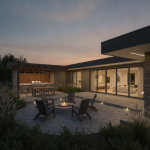
One of the greatest joys of a ranch home is how easily you can move from the kitchen or living room to the backyard. To maximize this, think of your landscaping as a series of outdoor rooms. A coastal ranch should have a clear area for dining, a spot for lounging, and perhaps a small “fire pit nook” for those chilly Atlantic or Pacific evenings.
Because the ranch house is low to the ground, you don’t need massive pergolas or high-rising structures. A simple, modern wooden trellis can provide enough shade for a dining table without overwhelming the house. Use large planters filled with succulents or agave to define the edges of these “rooms.” This adds a touch of modern “Coastal California” style that fits the ranch vibe perfectly.
Low-Maintenance Living: The Xeriscaping Approach
Nobody wants to spend their entire beach weekend mowing a lawn. Traditional grass lawns are often difficult to maintain in coastal areas because they require so much fresh water and struggle with salt. This is where xeriscaping—or water-wise landscaping—comes in.
By replacing large sections of grass with gravel, sand beds, or native groundcovers, you create a landscape that practically takes care of itself. This “wilder” look actually complements the ranch style very well. It feels intentional yet relaxed. You can use large driftwood logs or weathered boulders as focal points, mimicking the natural debris found on a shoreline. This not only looks artistic but requires zero watering or pruning.
Lighting Up the Night
Once the sun goes down over the water, your coastal ranch shouldn’t disappear into the shadows. Lighting is the final touch that makes a landscape feel professional and inviting. For a ranch home, use “uplighting” on architectural features like wide eaves or unique trees to emphasize the home’s width.
Path lights should be low to the ground and cast a warm, soft glow. Avoid bright, blue-toned LED lights that can feel clinical. Instead, go for warm yellows that mimic the glow of a sunset. If you have a path leading toward the beach or a dock, small solar-powered lanterns tucked into the sea grass can create a magical, twinkling effect that guides your way home after a late-night stroll on the sand.
The Final Flourish: Furniture and Decor
To finish the look, choose outdoor furniture that mirrors the simplicity of ranch design. Think teak wood, wrought iron, or high-quality recycled plastic ieutral tones. Throw pillows iavy blue, seafoam green, or coral can add that “coastal” feel without going overboard on the nautical theme. A few well-placed oversized ceramic pots in earthy glazes will provide the perfect home for your salt-tolerant statement plants.
Conclusion
Landscaping a coastal ranch home is all about finding the balance between the structured lines of the architecture and the wild, untamed beauty of the sea. By focusing oative plants, durable hardscaping, and an open layout that encourages outdoor living, you can create a sanctuary that feels both modern and timeless. Your home will not only have incredible curb appeal but will also become a place where you can truly relax and coect with the natural rhythm of the coast. Whether you’re dealing with the rugged cliffs of the West Coast or the sandy dunes of the East, your ranch house is the perfect vessel for a life lived beautifully by the sea.