
The Changing Face of the Florida Dream
For decades, the “Florida Dream” was synonymous with a pastel-colored bungalow or a sprawling Mediterranean villa tucked away in a gated community. However, as the real estate market evolves and the cost of living continues to climb, a new protagonist has emerged in the Florida property narrative: the modern manufactured home. If you still picture rusted trailers from the 1970s when you hear the term “manufactured housing,” it is time to refresh your perspective. Today, these homes are at the forefront of a construction revolution that combines style, safety, and affordability.
SUBMIT YOUR DETAILS FOR
Meet Sarah and James, a couple in their early 30s who recently moved from a cramped apartment iew York to the outskirts of Orlando. Like many others, they were shocked by the price tags of traditional stick-built homes. They wanted a backyard for their dog, a modern kitchen for entertaining, and, most importantly, financial breathing room. Their journey led them to a newly developed land-lease community that felt more like a luxury resort than a neighborhood. This is the story of how manufactured housing became the hottest trend in Florida’s property market.
Beyond the Stigma: The Aesthetic Evolution
The first thing Sarah noticed when she stepped into a 2024 model manufactured home was the ceiling height. Gone are the days of cramped, dark hallways. Modern manufactured homes in Florida now feature nine-foot ceilings, open-concept floor plans, and expansive windows that let the famous Florida sunshine flood in. Manufacturers are now offering finishes that rival high-end luxury condos:
- Quartz and granite countertops in gourmet kitchens.
- Stainless steel energy-efficient appliances.
- Luxury vinyl plank (LVP) flooring that is both beautiful and durable.
- Spa-like primary bathrooms with double vanities and walk-in showers.
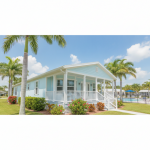
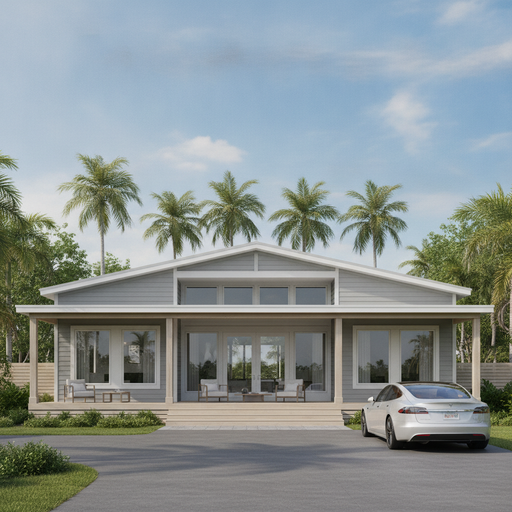
From the outside, many of these homes are indistinguishable from site-built houses. With “HardiePlank” siding, covered front porches, and attached garages, these homes are designed to fit perfectly into the suburban aesthetic while offering a fraction of the price tag.
The Resilience Factor: Engineering for the Storm
One caot discuss Florida real estate without addressing the elephant in the room: hurricanes. A common misconception is that manufactured homes are unsafe during high-wind events. However, the reality is that the safety standards for these homes have undergone a massive transformation. Following the devastation of Hurricane Andrew in 1992, the HUD Code (the federal standards for manufactured housing) was drastically overhauled.
Homes built today for the Florida market are engineered for specific “Wind Zones.” In coastal areas, homes are built to withstand winds of up to 150 mph. Because they are constructed in climate-controlled factories, the precision of the joints and the strength of the materials are often superior to homes built on-site where weather exposure during construction can weaken the structure. For residents like Sarah and James, knowing their home was built to rigorous federal standards provides a peace of mind that is essential for life in the subtropics.
The Economics of the “Missing Middle”
Florida is currently grappling with a “missing middle” in its housing inventory—homes that are affordable for teachers, healthcare workers, and young professionals. As traditional home prices soar due to labor shortages and rising material costs, manufactured housing has stepped in to fill the void. On average, a manufactured home costs 35% to 50% less per square foot than a site-built home, excluding the cost of land.
This price gap is driving a significant trend: the rise of luxury land-lease communities. In these arrangements, residents own the home but lease the land it sits on. This allows buyers to move into premium locations—near beaches or major city centers—without the massive down payment required for a traditional land-and-home package. It is an entry point into the Florida market that was previously inaccessible to many.
A Demographic Shift: Not Just for Retirees Anymore
Historically, manufactured home parks in Florida were seen as the exclusive domain of “snowbirds” and retirees. While the 55+ demographic remains a powerhouse in the industry, there is a marked shift toward multi-generational appeal. Milleial families and “digital nomads” are flocking to these communities for the lifestyle perks they offer.
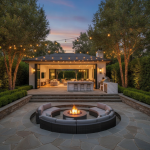
Modern communities are now being designed with amenities that rival five-star hotels. We are seeing the emergence of:
- Co-working spaces and high-speed fiber optic internet.
- Resort-style infinity pools and splash pads for kids.
- Pickleball courts, dog parks, and community gardens.
- Full-time lifestyle directors who curate events from wine tastings to fitness classes.
For Sarah and James, the community aspect was the ultimate selling point. They didn’t just buy a house; they bought into a social network that helped them integrate into their new Florida life instantly.
Sustainability and the Green Movement
Environmental consciousness is another trend shaping the manufactured housing landscape in Florida. Because these homes are built in a factory setting, there is significantly less material waste compared to traditional construction sites. Furthermore, new units are increasingly being equipped with “Green” certifications. Energy-efficient windows, superior insulation, and smart thermostats are becoming standard features, which is a major benefit in a state where air conditioning runs for ten months of the year.
Some developers are even experimenting with solar-ready manufactured homes, allowing homeowners to harness the Florida sun to further reduce their carbon footprint and monthly utility bills. This focus on sustainability is attracting a new wave of eco-conscious buyers who want a smaller environmental impact without sacrificing modern comforts.
The Investment Landscape: Institutional Interest
It’s not just homebuyers who are taking notice; big investors are eyeing Florida’s manufactured housing sector as well. Real Estate Investment Trusts (REITs) and private equity firms have been aggressively acquiring and upgrading older parks. While this has caused some concern regarding rent increases, it has also led to a significant “beautification” of the industry. These institutional owners are pouring millions into infrastructure, landscaping, and amenities, which in turn increases the resale value of the homes themselves.
For a homeowner, this means that their manufactured home is no longer just a depreciating asset. In well-maintained, high-demand Florida communities, these homes are appreciating in value, sometimes mirroring the gains seen in the traditional housing market.
Conclusion: The Future is Prefab
As we look toward the future of Florida property trends, it is clear that manufactured housing is no longer a “last resort” for buyers. It has become a deliberate lifestyle choice. It offers a solution to the affordability crisis, a safeguard against extreme weather, and a pathway to a high-quality community life.
For Sarah and James, their modern manufactured home provided exactly what they were looking for: the ability to live the Florida lifestyle without being “house poor.” As technology continues to improve and the stigma continues to fade, the manufactured housing sector is set to remain one of the most dynamic and influential forces in the Florida real estate market. Whether you are a first-time buyer, a retiree, or an investor, it is a trend that is impossible to ignore.