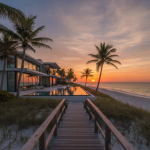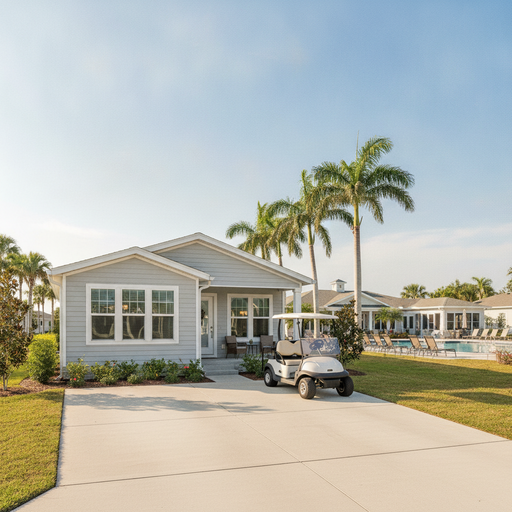

Imagine waking up to the gentle rustle of palm fronds outside your window. The sun is just begiing to peek over the horizon, casting a warm, golden glow across a manicured lawn. You pour a cup of coffee, step out onto your screened-in lanai, and realize that for the first time in thirty years, you don’t have to shovel snow, navigate icy roads, or worry about a massive mortgage. This isn’t a dream for the ultra-wealthy; it is the daily reality for thousands of retirees who have discovered the vibrant world of Florida’s 55+ mobile home communities.
SUBMIT YOUR DETAILS FOR
For a long time, the term “mobile home” carried a certain stigma, conjuring images of cramped quarters and gravel lots. But step into a modern Florida manufactured home community today, and you’ll see a transformation that is nothing short of revolutionary. These are not the “trailer parks” of yesteryear. They are master-plaed neighborhoods featuring high-end amenities, active social calendars, and homes that rival site-built houses in both beauty and durability. If you are looking to stretch your retirement savings without sacrificing the Florida lifestyle, it’s time to take a closer look at mobile housing.
The Evolution of the Manufactured Home
To understand why this lifestyle has become so popular, we have to look at the homes themselves. Modern manufactured homes in Florida are built to incredibly strict federal HUD codes, designed specifically to withstand the unique climate of the Sunshine State. When you walk into a new double-wide or triple-wide model, you’ll find open-concept floor plans, vaulted ceilings, granite countertops, and luxury vinyl plank flooring.
Sarah and David, a couple from Ohio, recently made the move to a community in Sarasota. “We were skeptical at first,” Sarah admits. “But when we walked into our three-bedroom home, we couldn’t believe it wasn’t a traditional house. We have a gourmet kitchen, a walk-in closet larger than our old bedroom, and a porch where we spend every evening. The best part? We bought it outright with the equity from our old home, and we still have a significant nest egg left over.”
Safety and Quality Standards
One of the biggest concerns for retirees moving to Florida is, naturally, the weather. It is important to note that manufactured homes built after 1994 are subject to stringent wind-resistance standards. In Florida, homes are anchored with heavy-duty steel tie-downs and built with reinforced materials. Many residents find that living in a managed community offers an extra layer of security, as neighbors look out for one another and park management often provides storm preparation assistance.
The Lifestyle: It’s All About the Community
In a traditional suburb, you might live next to someone for a decade and only exchange a polite wave while getting the mail. In a Florida 55+ community, the social structure is entirely different. These neighborhoods are designed for coection. Most communities center around a sprawling clubhouse that serves as the heart of the village.
On any given Tuesday, you might find a group playing pickleball on professional-grade courts, a water aerobics class in the heated pool, or a woodworking club in the community shop. The social directors in these parks stay busy, organizing everything from sunset potlucks and themed dances to group cruises and bus trips to local casinos. For many retirees, moving to a mobile home community feels like going back to summer camp, but with better amenities and definitely better wine.
- Active Living: Shuffleboard, teis, and golf cart parades are staples of the Florida lifestyle.
- Hobby Groups: From quilting and bridge to book clubs and gardening, there is a group for every interest.
- Safety iumbers: Gated entries and a community of peers provide a sense of security that is hard to find elsewhere.
Financial Freedom: Making Your Dollars Go Further
The primary driver for the popularity of mobile housing in Florida is, undeniably, the cost. With the rising prices of real estate across the country, Florida’s coastal cities have become increasingly expensive. However, manufactured homes offer a loophole to this high cost of entry. By choosing a mobile home, you can often live within a few miles of the Gulf of Mexico or the Atlantic Ocean for a fraction of the price of a stick-built home.
Leased Land vs. Land Owned
When searching for a community, you will encounter two main types of ownership. In leased-land communities, you own the home but pay a monthly “lot rent” to the park owner. This rent typically covers trash pickup, lawn maintenance, and access to all amenities. This keeps the initial purchase price of the home very low. In land-owned communities (often structured as resident-owned co-ops), you own both the home and the land beneath it. While the upfront cost is higher, you eliminate the monthly lot rent, which can be a great long-term financial move.
For many, the leased-land model is a perfect fit. It allows retirees to keep their capital liquid, ensuring they have plenty of money for travel, healthcare, and enjoying the local Florida dining scene. “We didn’t want our money tied up in a foundation,” David explains. “By choosing a community with lot rent, we have the cash flow to travel to Europe every summer to see our grandkids.”
Choosing Your Florida Destination
Florida is a massive state, and each region offers a different flavor of retirement. Where you choose to settle will depend on your priorities.
The Gulf Coast: Calm and Cultural
Areas like Fort Myers, Sarasota, and Bradenton are famous for their white-sand beaches and calm turquoise waters. The Gulf Coast tends to have a slightly more relaxed, artsy vibe. You’ll find hundreds of 55+ communities nestled near world-class museums and shell-strewn beaches.
The Atlantic Coast: Vibrant and Breezy
From the Space Coast down to Treasure Coast, the Atlantic side offers a bit more surf and a faster pace of life. Communities here are perfect for those who love watching rocket launches or fishing in the deep sea. The ocean breeze provides a welcome relief during the warm summer months.
Central Florida: The Heart of the Action
If you aren’t a “beach person,” Central Florida—specifically areas like Lakeland, Ocala, and Leesburg—offers beautiful rolling hills, freshwater lakes, and close proximity to Orlando’s world-famous theme parks. These communities are often more affordable than their coastal counterparts and are less prone to the direct impacts of coastal storms.
The Practicalities: Maintenance and Ease of Living
As we age, the desire to climb ladders to clean gutters or spend hours mowing the lawn diminishes. One of the hidden perks of Florida mobile home living is the “lock and leave” lifestyle. Many manufactured home communities are designed to be low-maintenance. Vinyl siding, metal roofing, and smaller yards mean you spend less time working on your house and more time enjoying it.
Moreover, these communities are built with accessibility in mind. Most modern units feature wide hallways, walk-in showers, and single-story layouts, ensuring that you can age in place comfortably without the need for expensive renovations or moving to an assisted living facility prematurely.
Conclusion: Your New Chapter Awaits
Retirement is supposed to be the reward for a lifetime of hard work. It should be a time of discovery, relaxation, and joy. For those who choose a 55+ mobile home community in Florida, it is also a time of liberation. By rethinking the traditional concept of “home,” you can unlock a lifestyle that is rich in social coection, brimming with activity, and financially sustainable.
Whether you are drawn by the lure of the pickleball court, the warmth of the Florida sun, or the peace of mind that comes with a balanced budget, there is a community waiting for you. The “Florida Dream” is no longer out of reach—it’s just a different kind of roof over your head. So, why wait? The sunshine is calling, and your new neighbors are already setting up the chairs for the next sunset social.